
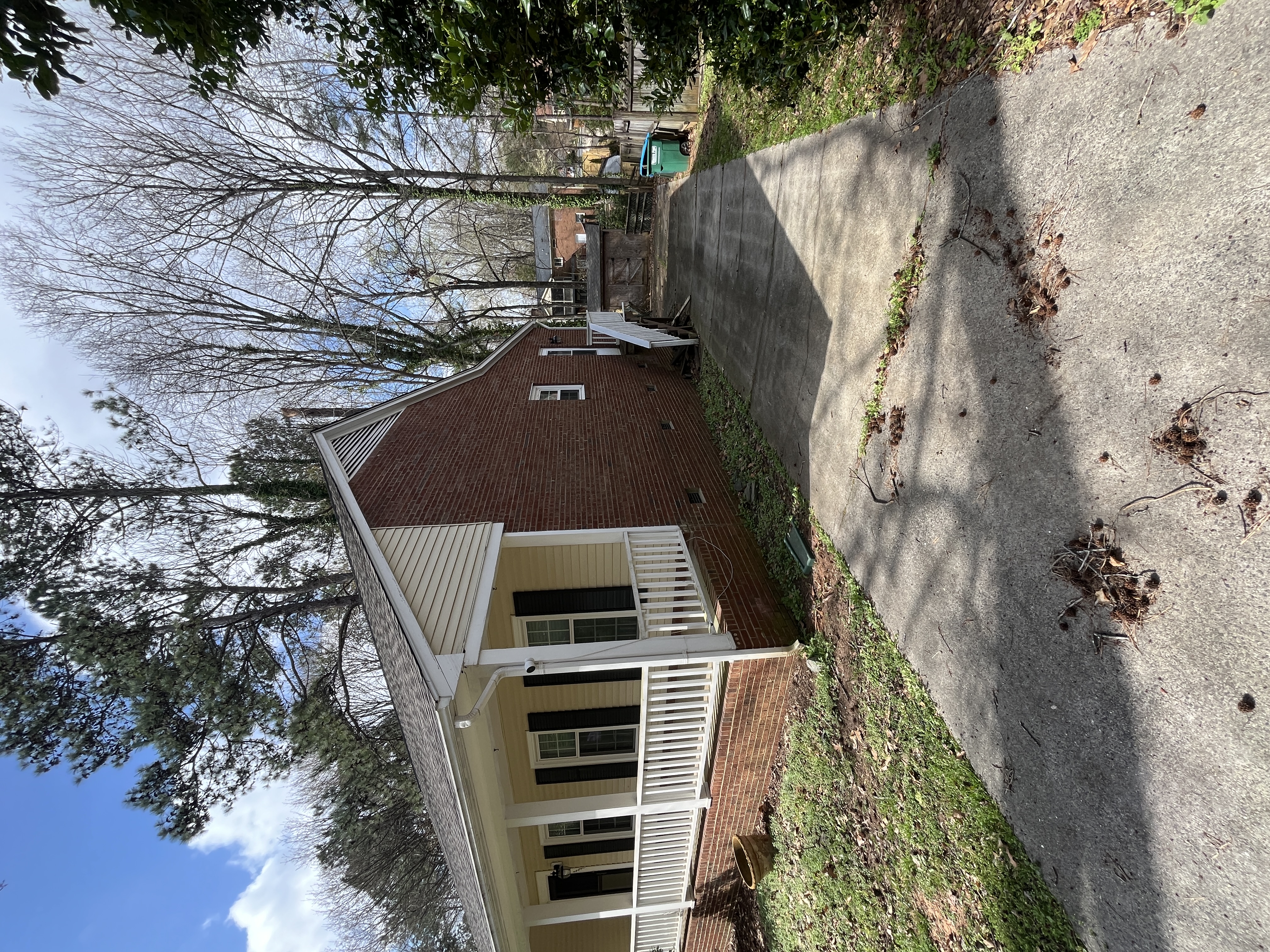
Why the NC Foreclosure Timeline Matters More Than You Think
Most homeowners facing foreclosure in Charlotte underestimate how quickly the process moves. North Carolina's non-judicial foreclosure process — technically called "power of sale" foreclosure — is one of the faster timelines in the country. From the first formal action to a scheduled auction can take as little as 60–90 days.
More importantly: every option available to you has a window that closes. Understanding exactly when each window closes is the difference between preserving your equity and losing everything at auction.
Non-Judicial Does NOT Mean "No Court Involvement"
Despite the name, North Carolina's "non-judicial" foreclosure still involves the court system — specifically the Clerk of Superior Court. The difference is that it doesn't require a full lawsuit. The process is handled administratively through the Clerk's office, which makes it faster than a fully litigated judicial foreclosure.
The Complete North Carolina Foreclosure Timeline
Day 1: First Missed Payment
Your loan is technically in default. Your servicer will attempt to contact you by phone and mail. Most lenders do not begin formal foreclosure proceedings until 90–120 days of missed payments, but some begin earlier. Keep all communications from your lender.
Options: All options available — forbearance, modification, refinance, saleDay 30–90: Loss Mitigation Period
Federal law (Regulation X, Dodd-Frank) requires mortgage servicers to notify you of loss mitigation options before beginning foreclosure. You must be at least 120 days delinquent before a servicer can make the first official foreclosure filing. Use this time aggressively — contact your servicer's loss mitigation department immediately.
Window open: Loan modification, forbearance, repayment plan, saleDay 90–120: Notice of Hearing Filed
After the 120-day federal waiting period, your lender's attorney files a Notice of Hearing with the Mecklenburg County Clerk of Superior Court (or relevant county clerk). You will be served with notice of the hearing date, typically 3–6 weeks out. This is often the first moment many homeowners realize foreclosure is actively proceeding.
Window open: Sale, bankruptcy, loan reinstatement (paying all arrears)Day 120–150: Clerk's Hearing
A Mecklenburg County Clerk of Superior Court conducts a hearing to determine: (1) the note and deed of trust are valid, (2) the borrower is in default, and (3) the lender has satisfied procedural requirements. You can appear and object on limited grounds (procedural errors, wrong amount). This rarely stops the process unless there's a genuine lender error.
Window open: Bankruptcy filing (creates automatic stay), sale if you move fastDay 150–160: 10-Day Appeal Period (CRITICAL WINDOW)
After the Clerk's hearing, you have exactly 10 days to appeal to the Mecklenburg County Superior Court. Filing a bankruptcy petition during this period also creates an automatic stay. These are the last two mechanisms to stop the auction. After 10 days without action, the sale is scheduled.
CRITICAL: Only bankruptcy or appeal can stop the sale now — and only temporarilyDay 160–200: Sale Scheduled and Posted
The foreclosure sale is advertised for at least 20 days before the auction date, published in a newspaper of general circulation in Mecklenburg County. The sale date, time, and property information are publicly posted. Investors begin researching the property during this period.
Last chance: A cash sale CAN still happen if you act in the next daysDay 180–220: Foreclosure Auction
The property is auctioned at the courthouse. The winning bid must satisfy the outstanding mortgage balance plus legal fees and costs. Any remaining proceeds go to the homeowner. In a strong market like Charlotte, if there's equity in the home, you may still receive funds — but you've lost control of the process.
Auction — you've lost control of the outcomeDay 220–230: 10-Day Upset Bid Period
After the auction, there is a 10-day period during which any person can "upset bid" by increasing the last bid by at least 5% (minimum $750). This process continues until no additional upset bids are filed within 10 days.
Day 230+: Deed Transfer & Eviction if Needed
Once the upset bid period expires, the deed transfers to the purchaser. If you're still in the home, you are now a holdover occupant and the new owner can begin eviction proceedings under North Carolina law.
When Can a Cash Sale Actually Stop the Foreclosure?
A cash sale can stop a foreclosure at any point before the auction gavel falls, as long as:
- There is sufficient equity in the home to pay off the mortgage balance, legal fees, and closing costs
- There is enough time to execute the sale (minimum 7–14 days for a cash buyer to close)
- No automatic stay has expired without a resolution (bankruptcy)
If your auction date is within 10–14 days and you have equity, call us immediately at (704) 235-3008. We have experience executing fast closings in Charlotte specifically to preserve homeowner equity before auction dates. We cannot promise we can close in time in every situation — but we will tell you honestly within hours of your call whether it's feasible.
NC Foreclosure & Mortgage Assistance Resources
Official Resources for Homeowners Facing Foreclosure in NC
- NC Courts — Foreclosure Help CenterOfficial process guide, forms, and timeline from the NC Judicial Branch
- NC Foreclosure Prevention FundState-administered mortgage assistance for NC homeowners
- Mecklenburg County Clerk of Superior CourtCheck foreclosure status, hearing dates, and sale notices for Mecklenburg County properties
- HUD-Approved Housing Counselors — Charlotte AreaFree certified foreclosure counseling in the Charlotte Metro
- Charlotte Center for Legal AdvocacyFree legal assistance for qualifying Charlotte homeowners facing foreclosure
- CFPB — Mortgage and Foreclosure HelpFederal consumer protections during the foreclosure process