
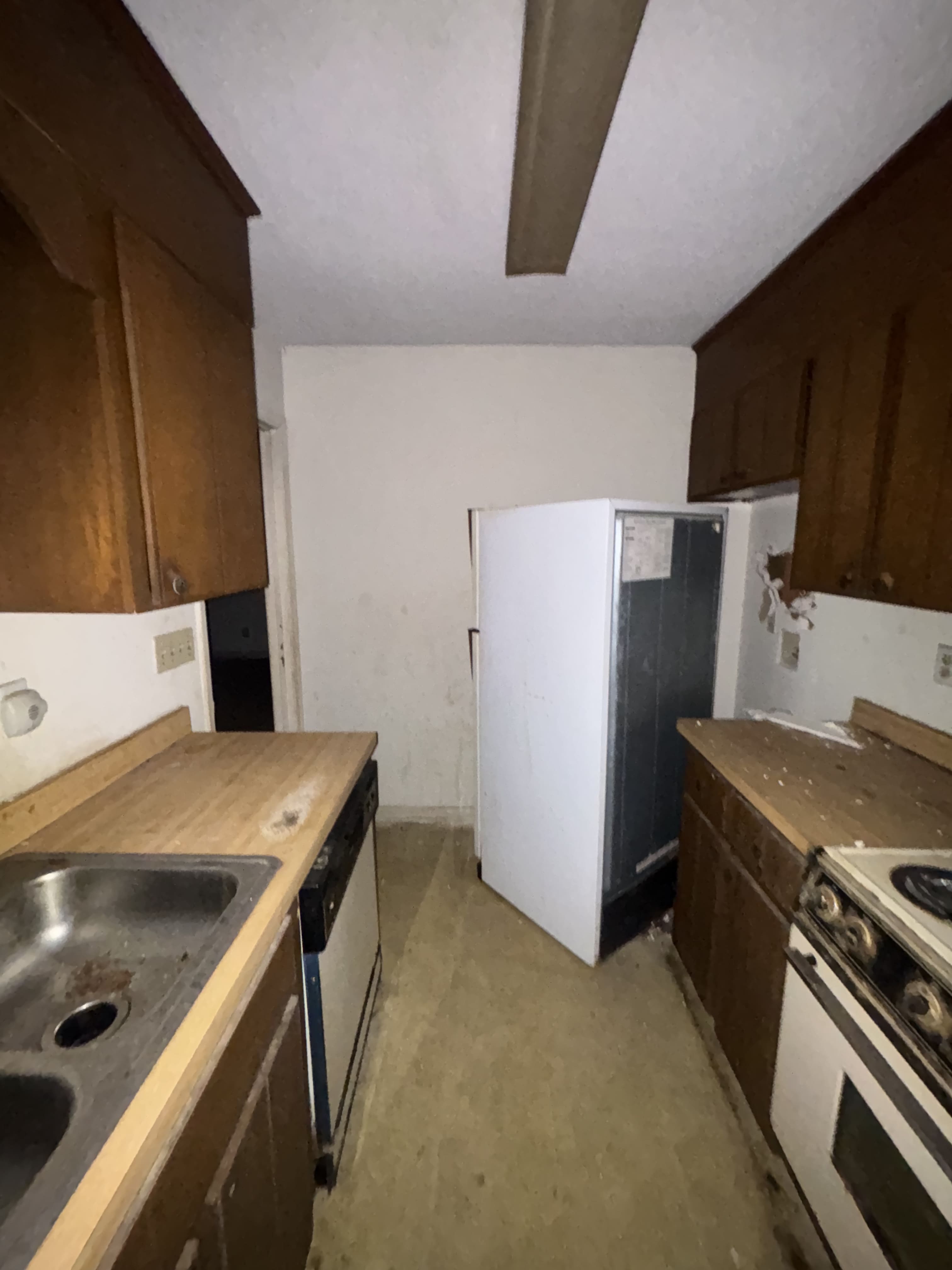
What "Selling As-Is" Actually Means in North Carolina
In North Carolina, "as-is" doesn't override your disclosure obligations. Under N.C. Gen. Stat. § 47E, sellers must complete a Residential Property Disclosure Statement disclosing known material defects in the property — regardless of whether you're selling "as-is" to a traditional buyer or a cash investor.
What "as-is" does mean: you are not agreeing to make any repairs as a condition of sale. You're selling the property in its current condition, and the buyer is accepting that condition. This is how cash buyers like Carolina Easy Home Sales purchase every property we buy.
North Carolina Disclosure Requirement
All sellers in North Carolina must complete the Residential Property and Owners' Association Disclosure Statement (Form REC 4.22) disclosing known issues including roof, foundation, HVAC, plumbing, electrical, water intrusion, pests, and environmental hazards. Failure to disclose known defects can expose you to post-sale legal liability. Carolina Easy Home Sales never asks you to hide or omit known defects.
How As-Is Condition Affects Cash Offers in Charlotte
Cash buyers value properties using the same fundamental analysis regardless of condition: what will the property be worth after repairs (ARV) minus the cost to get it there. Here's how different condition issues typically affect Charlotte cash offers:
| Condition Issue | Typical Repair Cost | Cash Offer Impact | Notes |
|---|---|---|---|
| Dated kitchen / bathrooms | $15,000–$60,000 | Offer reduced by repair cost + profit margin | Most common issue in Charlotte homes 20+ years old |
| HVAC replacement needed | $5,000–$12,000 | Dollar-for-dollar reduction | Full replacement costs vary significantly by unit size |
| Roof replacement needed | $8,000–$20,000 | Dollar-for-dollar reduction | Critical safety issue — most buyers won't proceed without replacement |
| Foundation issues (minor) | $3,000–$15,000 | 2–3x repair cost reduction (perception risk) | Word "foundation" creates buyer fear beyond actual repair cost |
| Foundation issues (major) | $15,000–$60,000+ | Significant reduction; may prevent traditional sale | Cash buyers are often the only realistic market |
| Mold (minor/surface) | $2,000–$8,000 | Dollar-for-dollar reduction | Requires professional remediation certification |
| Fire damage | $25,000–$150,000+ | Significant — may only be buyable by cash investors | Insurance may cover costs if claim is still open |
| Water damage / flooding history | $5,000–$50,000 | 2–3x repair cost due to mold/structural concerns | North Carolina requires disclosure of flood history |
| Code violations / permits | $2,000–$30,000 | Varies — unpermitted additions most problematic | Charlotte building code violations must be disclosed |
| Tenant damage / hoarding | $3,000–$20,000 | Cleanup cost reduction plus time premium | We handle cleanup — sellers don't need to remove anything |
The "Should I Repair Before Selling?" Calculation
This is the question every Charlotte seller with a property needing work has to answer. Here's a simple framework:
Repairs that usually increase the net sale price:
- Safety items that prevent traditional financing (smoke detectors, functional handrails, working HVAC)
- Cleaning and decluttering (minimal cost, significant first-impression impact)
- Fresh neutral paint in good condition walls that are chipped or marked
- Fixing obvious minor repairs that create "deferred maintenance" impression (leaky faucets, broken fixtures)
Repairs that rarely pencil out for sellers:
- Full kitchen remodels — typically return 50–70 cents on the dollar in Charlotte
- Bathroom renovations — return 60–80 cents on the dollar on average
- Roofing replacement before sale — buyers will negotiate it anyway
- HVAC replacement — buyers will negotiate this too; offer a concession instead
- Landscaping beyond basic cleanup
- Additions or expansions — extremely rarely increase value by more than cost
The Risk of Repair Financing
Many Charlotte sellers consider taking out a home equity loan or credit line to fund pre-sale repairs, intending to recoup the cost from the sale price. This strategy adds risk: if the sale falls through, you've spent money and still own the house. If the repairs take longer than expected, you pay carrying costs for months. If the market shifts during the repair period, you may recoup less than projected. Cash sales eliminate this risk entirely — you sell as-is, zero repair spend.
When As-Is Makes Undeniable Financial Sense
For many Charlotte homeowners, selling as-is to a cash buyer is the clearly superior financial decision. Here are the situations where the math is most compelling:
- Structural issues — foundation, framing, or load-bearing problems are the most difficult to finance through traditional buyers. Cash buyers absorb this completely.
- Fire or water damage — traditional buyers can't get insurance on severely damaged homes. Cash buyers can.
- Inherited properties with decades of deferred maintenance — the cost to bring a 1960s Charlotte home to current market standards can exceed $100,000. A cash offer absorbs all of it.
- Time pressure — repairs take weeks to months. If you need to close in 30 days or less, as-is is your only real option.
- Out-of-state owners — managing contractors in Charlotte from out of state is expensive, time-consuming, and stressful. Selling as-is eliminates the entire management burden.
Charlotte Building & Code Resources
Resources for Charlotte Sellers with Condition Issues
- Charlotte-Mecklenburg Community DevelopmentBuilding permits, code compliance, and housing programs for Charlotte homeowners
- NC Residential Property Disclosure Form (REC 4.22)The required disclosure form for all North Carolina home sellers
- Mecklenburg County Property RecordsCheck permit history, assessments, and property records for your Charlotte home
- EPA — Lead Paint Disclosure RequirementsFederal requirements for homes built before 1978 — applies to many Charlotte neighborhoods
- FEMA Flood Map Service CenterCheck if your Charlotte property is in a flood zone, which affects buyer financing options