
The Call from Leicester
The call came from inside. He was incarcerated, his Leicester home had squatters living in it, Buncombe County was moving toward tax foreclosure, and there was absolutely nothing he could do about any of it from where he was sitting. He needed a buyer who would walk into that situation — squatters and all — and handle every piece of it without requiring him to be anywhere but where he already was. That's what we did.
We Handle the Hard Situations →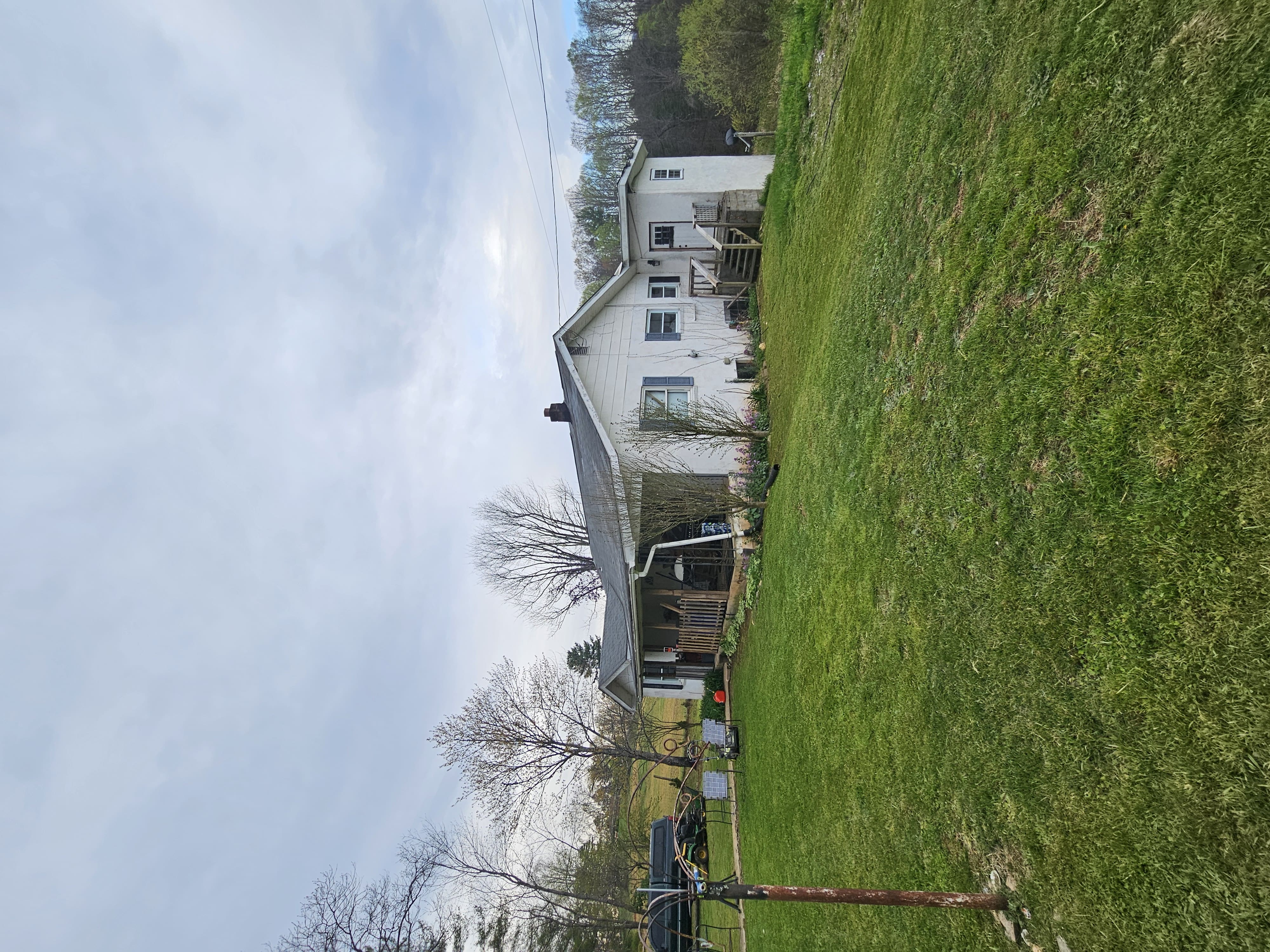
The Property As We Found It
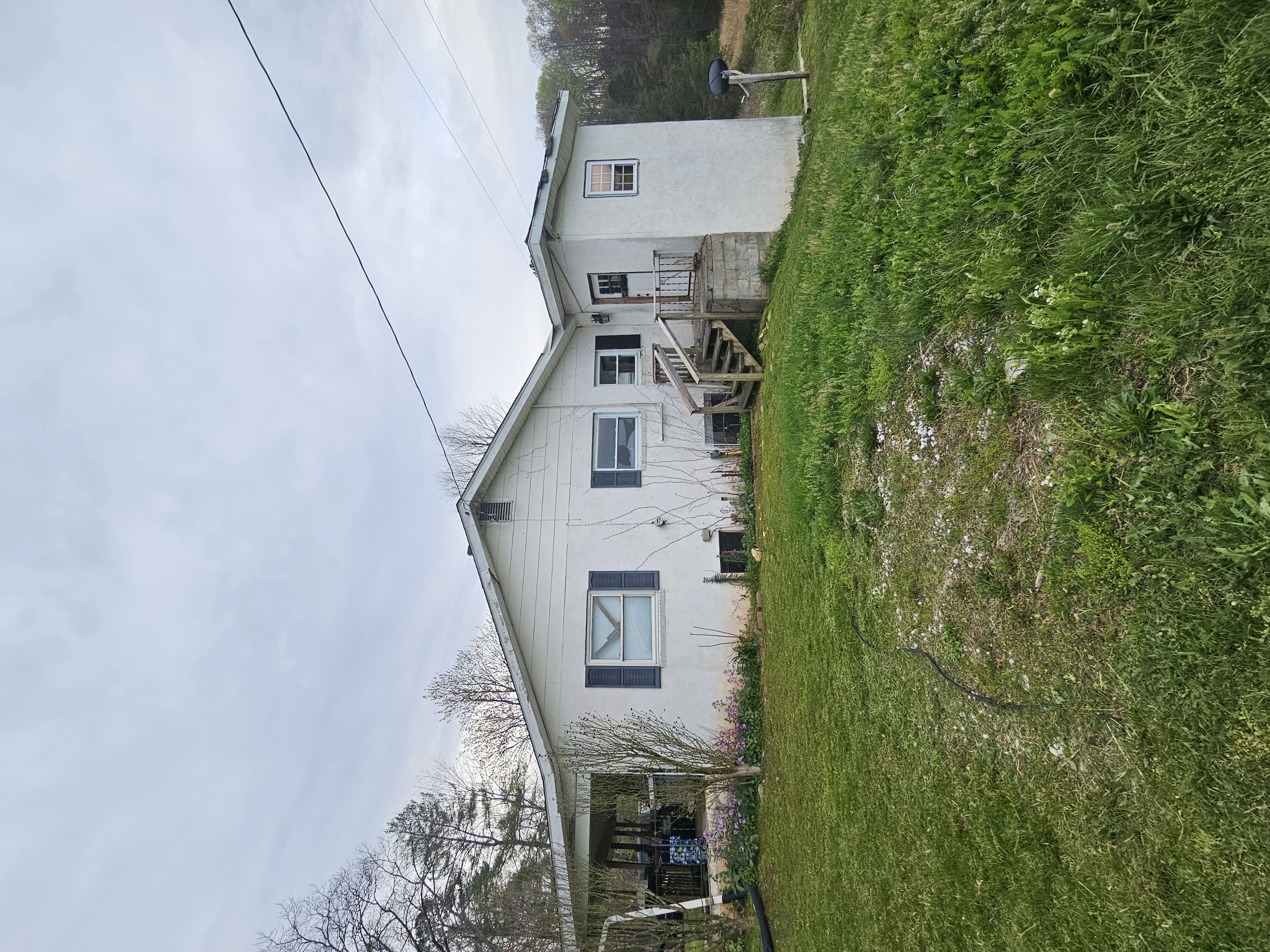
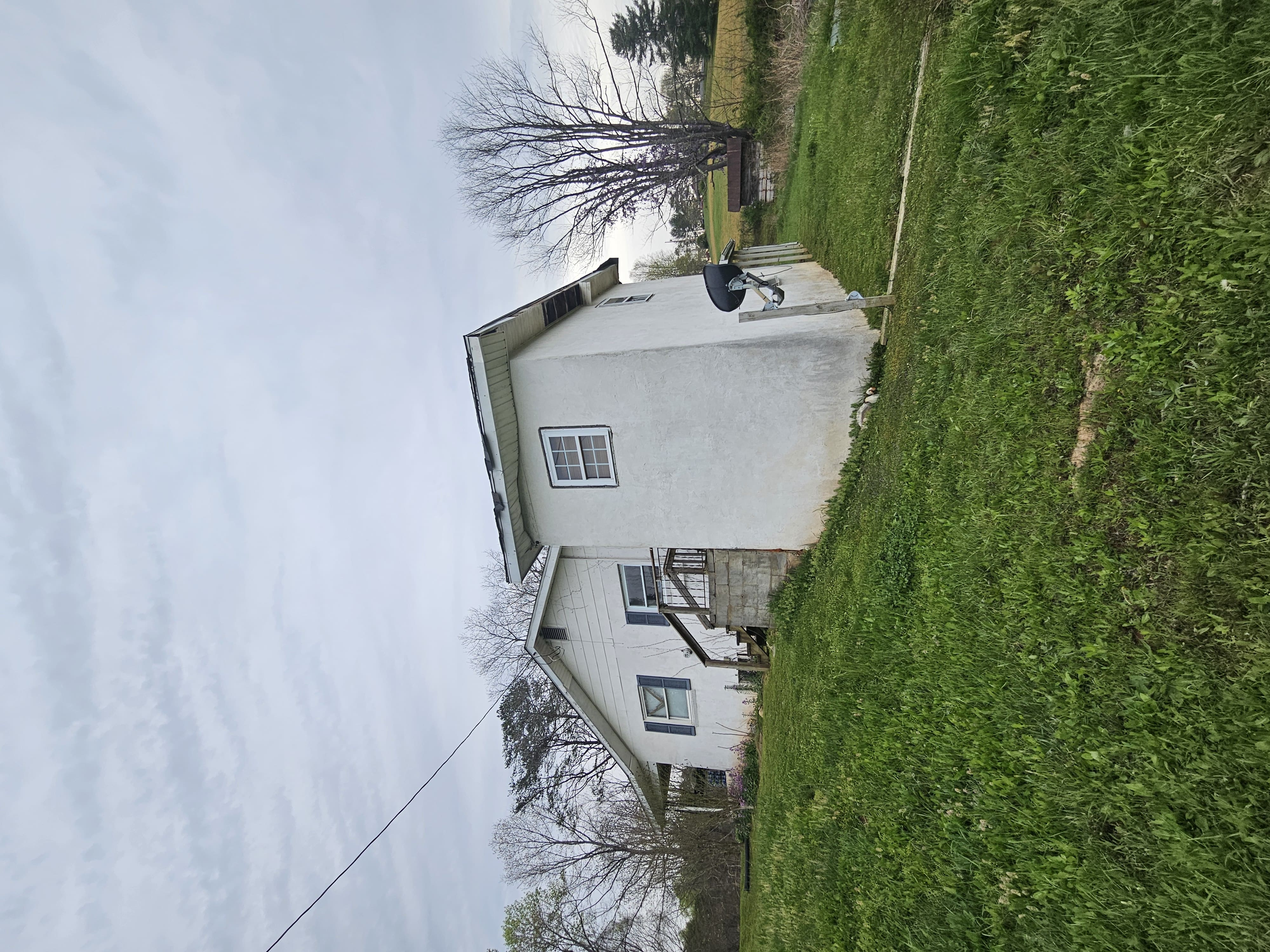
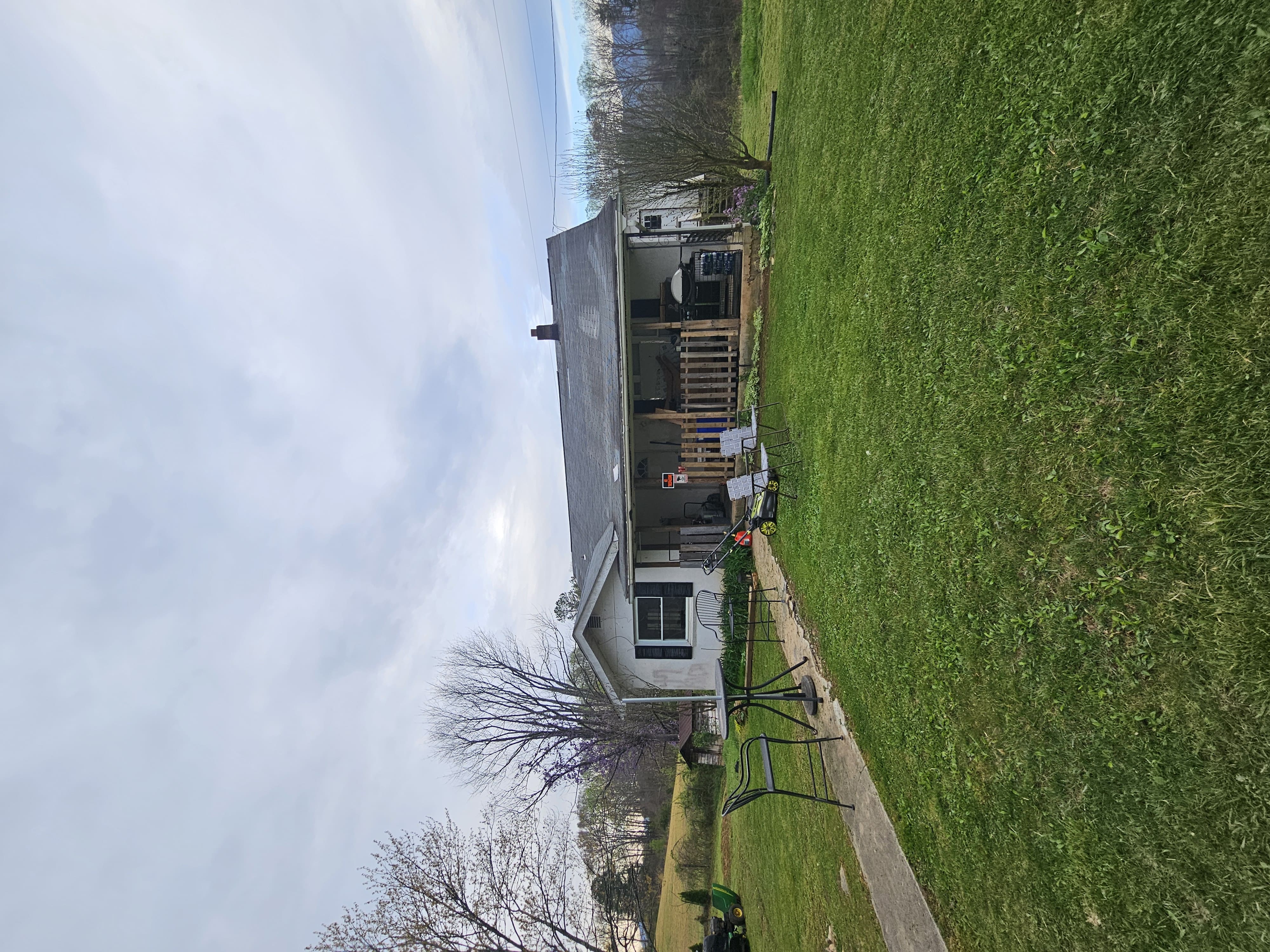
A two-story siding home in rural Buncombe County — the structure itself is a solid older farmhouse-style build on a substantial lot with mountain views visible from the kitchen window. When we arrived, squatters were occupying the property: belongings piled on the porch deck, an actively used kitchen with exposed structural ceiling damage, personal items throughout the bedroom. Photos taken during our initial site assessment.
 Before
Exterior — Front
Before
Exterior — Full Structure
Before
Exterior — Front
Before
Exterior — Full Structure
 Before
Exterior — Side
Before
Exterior — Side
 Before
Porch — Squatter Occupation
Before
Porch — Squatter Occupation
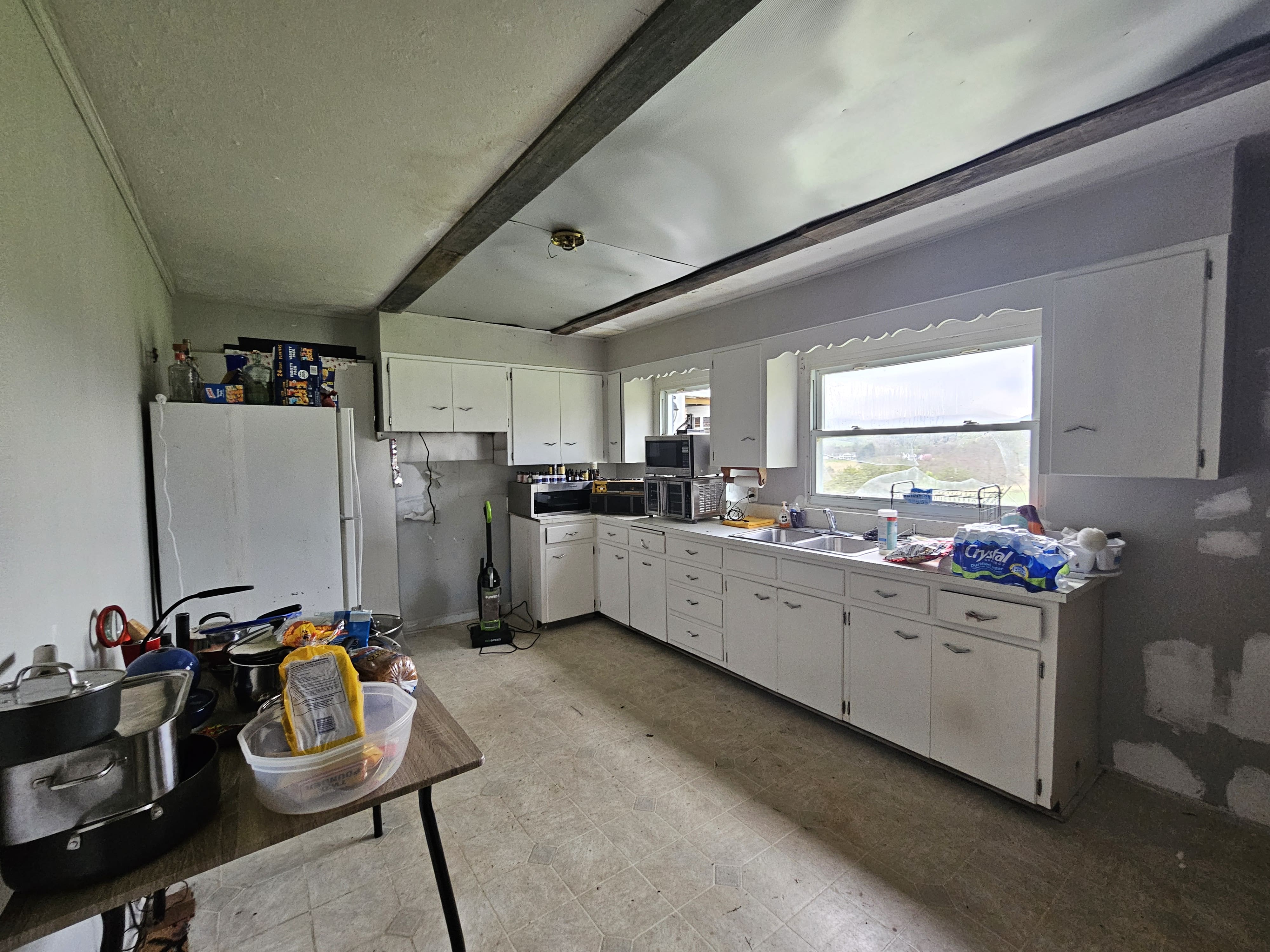 Before
Kitchen — Ceiling Damage & Squatter Use
Before
Kitchen — Ceiling Damage & Squatter Use
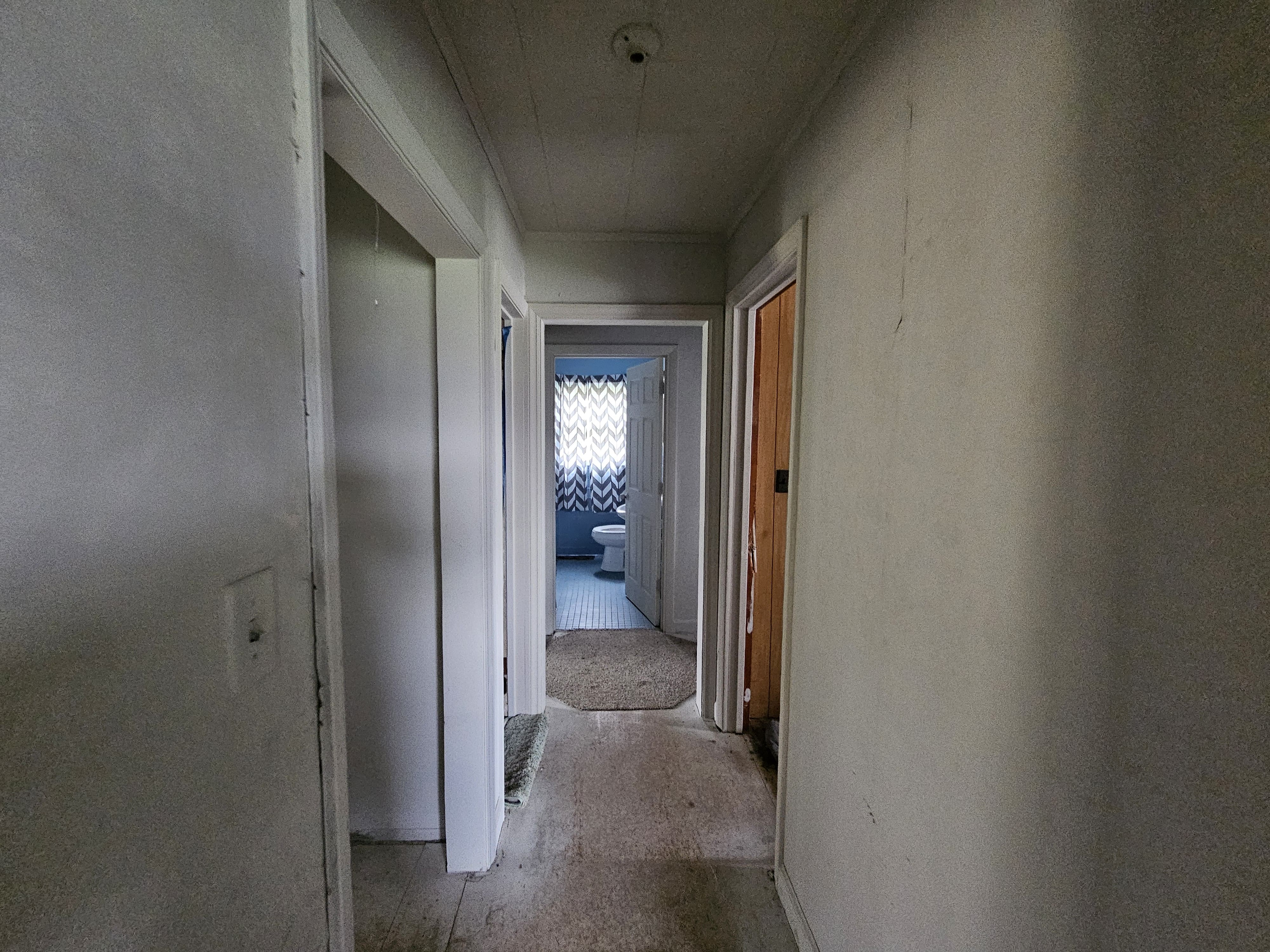 Before
Interior Hallway
Before
Interior Hallway
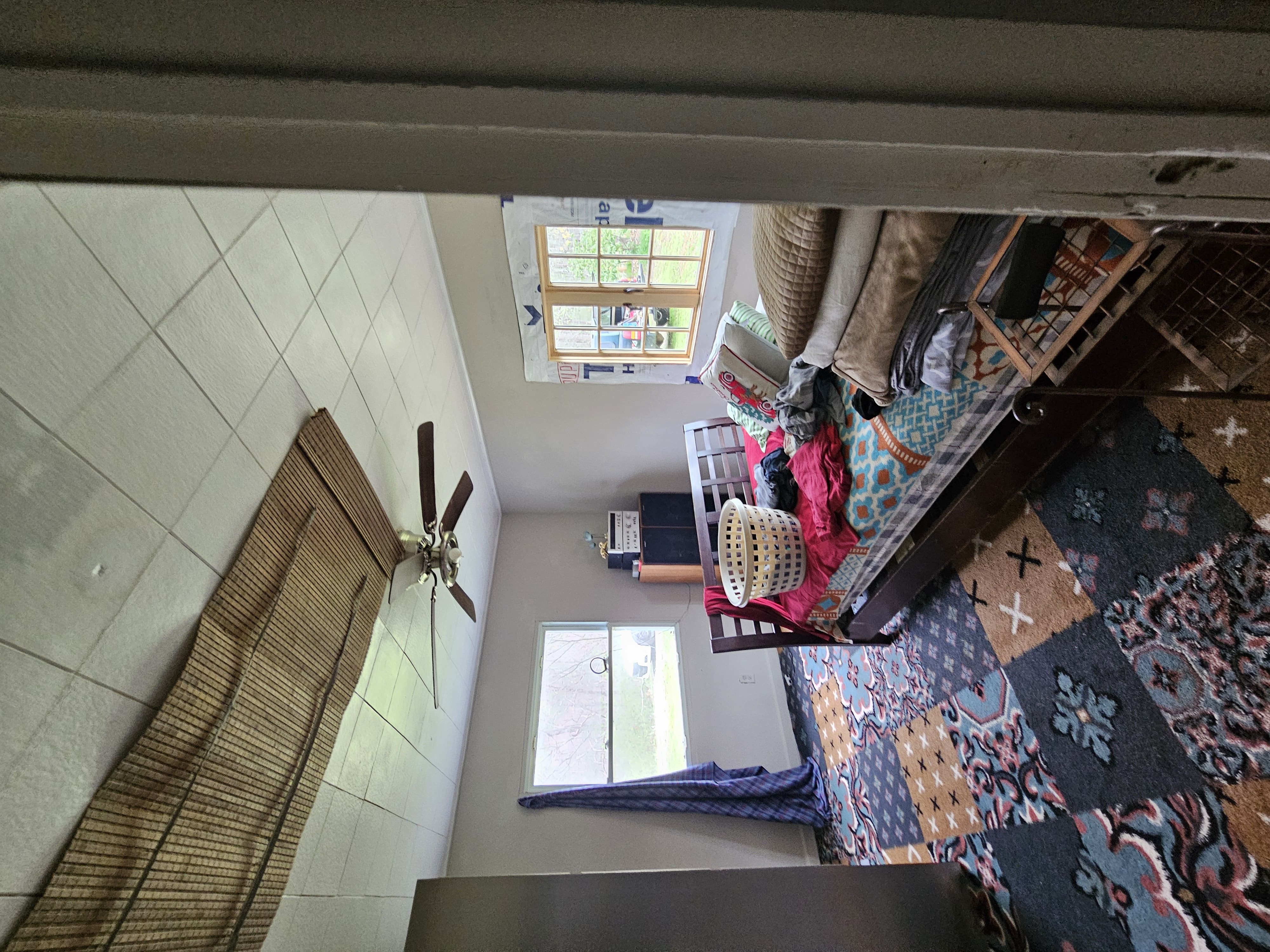 Before
Bedroom — Squatter Occupation
Before
Bedroom — Squatter Occupation
Click any photo to enlarge
Every Step — Handled Without the Seller Present
The Call from Inside
We received the call from a corrections facility. The seller was incarcerated and had been watching his situation get worse for some time with no ability to address it — his Leicester home had been taken over by squatters who were actively living there, the property had fallen into significant disrepair, and Buncombe County had filed a tax foreclosure action. He'd heard we handle difficult situations. He needed to know if this qualified. It did.
Incarcerated seller — called from prisonThe Site Visit — Squatters in Residence
We drove out to Leicester to assess the property ourselves. What we found was exactly what he'd described: squatters actively occupying the home. Personal belongings covered the porch deck. The kitchen showed structural ceiling damage — exposed joists, deterioration from neglect and the stress of unauthorized occupation. The bedroom was cluttered with the squatters' possessions. The property was in no condition that any conventional buyer would or could purchase, and it was legally and physically inaccessible until the unauthorized occupants were removed.
Active squatter occupation — assessed in personCoordinating the Eviction Process
In North Carolina, even unauthorized occupants — squatters who have no legal right to be on the property — must be removed through a legal process. We worked with the seller's representative and local law enforcement to initiate the proper eviction proceedings under NC law. This required filing in Buncombe County District Court, providing proper notice, and coordinating with the sheriff's department for the actual removal. We managed this process as an active participant, not as a bystander waiting for it to resolve on its own.
NC eviction process — coordinated with law enforcementAddressing the Tax Foreclosure
Simultaneously with the eviction process, we worked with the title company and the seller's representative to address the outstanding tax liens with Buncombe County. Delinquent property taxes were quantified, a payoff amount was confirmed, and our cash purchase was structured so that the tax balance would be paid in full at closing — stopping the foreclosure action before it advanced further. Every creditor with a claim on the property would be satisfied from the proceeds.
Tax foreclosure addressed — payoff confirmedProperty Cleared, Offer Made
Once the property was legally and physically clear of squatters, we completed our full assessment of the condition. The structural damage, the cleanup required, the cost of rehabilitation — all of it factored into a cash offer we presented to the seller through his representative. The offer was fair given what we were taking on. He accepted it. The seller never had to leave where he was.
Property cleared — offer acceptedClosed — Taxes Paid, Seller Received Funds
We closed the sale with all parties signing remotely or through authorized representatives. Buncombe County received the full delinquent tax payoff at closing, stopping the foreclosure action permanently. The seller received his net proceeds — cash in hand, the foreclosure stopped, the squatters gone, the problem solved entirely without requiring a single in-person appearance from him. That was the outcome we committed to when we took the call. It was the outcome we delivered.
Closed — taxes paid, foreclosure stopped, seller paidThe Situation: Incarcerated, Powerless, and Watching a Property Spiral
When someone is incarcerated, their ability to manage a property they own is essentially zero. They can't check on it, secure it, address problems, manage contractors, respond to county notices, or appear at hearings. Squatters know this and exploit it. Counties know this and continue the foreclosure process regardless. The only solution is a buyer willing to walk into the full complexity of the situation and solve it — squatters, taxes, legal process, and all — without requiring the owner's physical presence at any stage. That's an unusual capability. It's one we've developed and deployed more than once.
About the Property
The Leicester property is a two-story older home in Buncombe County, sitting on a generous lot in the rural community west of Asheville. Leicester is an unincorporated community in western Buncombe County — mountain terrain, substantial lots, the kind of rural Appalachian property that has solid bones even when the exterior shows neglect. The structure is a farmhouse-style build that, based on our assessment, has genuine rehabilitation potential once the squatter situation was resolved and the structural damage addressed.
The kitchen showed the most significant damage — exposed ceiling joists suggesting either roof infiltration, structural failure, or both, with the evidence of occupancy (food, appliances, accumulated belongings) throughout. The hallway and bedroom were similarly occupied. Outside, the porch and deck area had been taken over as a squatter living space, with furniture and personal effects piled throughout.
This is what happens to a property when an owner is incapacitated for an extended period and has no one actively protecting it. Squatters don't announce themselves. They find a vacant, unmonitored property and move in. By the time we walked through the door, this property had been lived in by unauthorized occupants for long enough that it was genuinely difficult to assess the full scope of the damage underneath their occupation.
Everything We Handled While the Seller Remained Incarcerated
What We Took On — So He Didn't Have To
- Drove to Leicester and assessed the property in person with squatters present
- Documented the full scope of structural damage and unauthorized occupation
- Worked with the seller's representative to initiate NC eviction proceedings against squatters
- Coordinated directly with Buncombe County law enforcement for physical removal
- Engaged with Buncombe County Tax Administration to confirm delinquent balance and foreclosure status
- Structured the purchase to pay all outstanding taxes at closing, stopping the foreclosure
- Managed title work with a company experienced in complex distressed transactions
- Facilitated remote signing and fund transfer without requiring seller's physical presence
- Closed the transaction — seller received funds, county received taxes, property cleared
Kitchen — Structural Damage
Bedroom — Occupied by Squatters
Squatter Removal in North Carolina — What's Involved
A common misconception is that squatters — unauthorized occupants with no legal right to a property — can simply be removed by the police at the owner's request. In North Carolina, that's not how it works. Once unauthorized occupants have established physical presence in a property, they acquire certain procedural rights regardless of the illegitimacy of their occupation.
The North Carolina eviction process for squatters generally requires:
- Formal eviction filing. A summary ejectment action (small claims eviction) must be filed in the appropriate county District Court — in this case, Buncombe County.
- Proper service of notice. Squatters must be formally notified of the eviction action through proper legal channels.
- Hearing and judgment. A hearing is scheduled; if squatters don't appear or the case is decided in the property owner's favor, the court issues a judgment for possession.
- Writ of possession and law enforcement execution. After the judgment, a writ of possession is issued and the county sheriff's department physically removes the unauthorized occupants.
This entire process takes time — weeks at minimum, sometimes longer if contested — and requires active management by someone with the legal standing to file and the ability to coordinate with the court and sheriff. An incarcerated owner has none of those capabilities. We bridged that gap through the seller's authorized representative and our own active involvement in the process.
"Incarceration doesn't extinguish property rights. It just makes exercising those rights nearly impossible without help. We're not in the business of judging why someone is where they are — we're in the business of solving the real estate problem in front of us. This one required more logistics than most. We're set up for that."
— Baxter Fricks, Founder, Carolina Easy Home SalesSelling Property While Incarcerated in North Carolina
An incarcerated person retains ownership of their real property and retains the legal right to sell it. The practical challenge is executing that right from behind bars. In North Carolina, this typically works through one of two mechanisms:
- Power of attorney. An incarcerated owner can grant a trusted person — a family member, attorney, or other representative — a durable power of attorney that authorizes them to sign real estate documents on the owner's behalf. The POA must be properly executed and notarized, which requires a notary to access the facility or the owner to sign during any supervised access periods.
- Attorney representation. An attorney with power of attorney or court-authorized representation can act on the owner's behalf throughout the transaction, including at signing.
Cash buyers are the only realistic buyer pool for an incarcerated seller's property in most cases — the timeline flexibility, ability to absorb property condition issues, and willingness to work with non-standard closing arrangements are all characteristics that distinguish cash buyers from conventional financing buyers.
Incarcerated and Need to Sell Your NC Property?
If you or a family member is incarcerated and owns a North Carolina property that needs to be sold — regardless of the condition or complications — we handle these situations. Call (704) 235-3008 and we'll discuss what's needed and what's possible. We work with authorized representatives and can navigate the transaction without requiring physical presence from the seller.
Property in a Complicated Situation? We Handle It.
Squatters. Tax foreclosure. Incarceration. Extreme disrepair. These are the situations other buyers walk away from. We've built the processes to handle them. Call us — no judgment, no conditions, just a fair assessment and a clear offer.
Get a Free Consultation →Buncombe County Tax Administration
Confirm tax delinquency status, outstanding amounts, and foreclosure filing information for Leicester and all Buncombe County properties through the county's tax office.
Buncombe County Tax Department →Buncombe County Clerk of Court
Handles summary ejectment (eviction) filings and hearings in Buncombe County — the appropriate court for squatter removal proceedings in Leicester and surrounding communities.
Buncombe County Courts →NC Power of Attorney — Real Property Transactions
North Carolina's POA statutes govern how incarcerated sellers can authorize a representative to act on their behalf in real estate transactions — including what documentation is required for closing.
NC General Statutes Chapter 32C →