
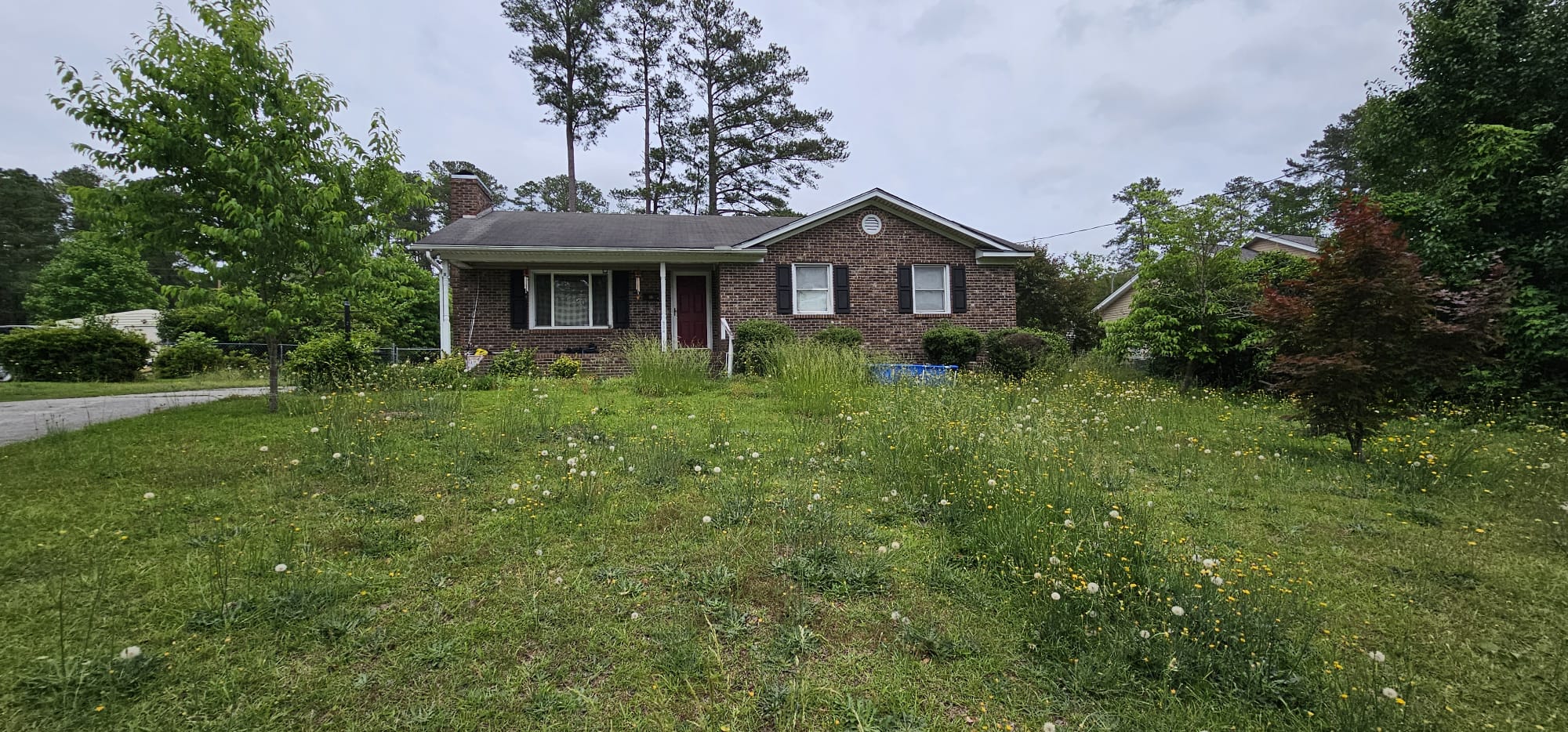
The Honest Answer: No — But It's More Complicated Than That
Charlotte home prices are not broadly dropping in 2026. The median sale price is up approximately 8.3% year-over-year. Inventory remains tight. The city continues to attract population and corporate relocations at a pace that supports housing demand.
But the headline number hides significant variability. Some segments of the Charlotte market are under genuine price pressure. Understanding which segment your home falls into is the most important thing a Charlotte seller can know right now.
Where Charlotte Prices Are Holding Strong
Entry-Level and Starter Homes ($250K–$380K)
This segment continues to see the strongest relative demand. With mortgage rates limiting buyers' purchasing power, more buyers are competing for less expensive homes. Well-priced entry-level homes in accessible Charlotte neighborhoods — Gastonia, Kannapolis, Concord, and east Charlotte areas — are seeing multiple offers and strong competition.
Inner Charlotte Neighborhoods (Myers Park, Dilworth, Plaza Midwood)
These neighborhoods continue to attract cash buyers, investors, and high-income professionals with low mortgage sensitivity. Despite higher prices, these areas maintain strong demand because the buyer pool isn't as dependent on financing rates. Days on market remain under 25 days for well-priced properties.
Lake Norman Corridor (Huntersville, Cornelius, Mooresville)
Strong in-migration from the Northeast and Midwest continues to support this corridor. Buyers relocating from New York, New Jersey, and the Mid-Atlantic are often bringing significant equity from their prior homes, making them less rate-sensitive than local move-up buyers.
Where Charlotte Prices Are Under Pressure
The $450K–$750K "Rate Sensitivity" Band
This is where the market is most clearly showing strain. These homes require buyers who are highly dependent on mortgage financing. At 6.5–7%, the monthly payment on a $550,000 home with 10% down is approximately $3,800/month — a figure that's eliminated a significant portion of the buyer pool that would have qualified two years ago.
In this range, sellers are seeing longer days on market, more contingency offers, and more frequent price reductions compared to the rest of the market.
Homes Needing Significant Repairs at Any Price Point
Higher interest rates have reduced buyers' capacity to also absorb renovation costs. A buyer who stretches to afford a $380,000 home at 7% doesn't have capacity for a $50,000 renovation on top. This is creating a class of homes that simply can't find financing-contingent buyers — a problem that cash buyers solve.
New Construction Competition Markets
In outer suburbs where builders are active — parts of Union County, Cabarrus County, and Gaston County — new construction is competing directly with resale inventory, often at similar price points with builder incentives (rate buydowns, closing cost contributions). Resale sellers in these markets need to price carefully.
The "Wait for Rates to Drop" Question
Many Charlotte sellers are holding off, hoping that lower mortgage rates will bring more buyers into the market and allow for better sale prices. Here's the honest analysis:
| Scenario | Likely Outcome for Sellers |
|---|---|
| Rates drop to 5.5–6% by late 2026 | More buyers enter the market — potential for price increases. But existing buyers who've been waiting will also rush in, increasing competition for your listing. Window may be brief. |
| Rates stay at 6.5–7% through 2026 | Market continues at current pace. No windfall for waiting sellers. Carrying costs accumulate. |
| Rates rise above 7.5% | Demand softens further in the $400K+ range. Buyers become more selective. Price pressure increases. |
| Major employer exits Charlotte or recession hits | Charlotte is more resilient than most metros due to financial services diversification, but no market is immune. This is the downside risk of waiting. |
For most Charlotte sellers, the cost of waiting — mortgage payments, property taxes, insurance, maintenance — is a very real number. Every month you don't sell costs money. The question is whether the expected price gain from waiting exceeds that carrying cost, adjusted for the genuine uncertainty of rate movements you cannot predict.
What This Means for Cash Sale Timing
Cash sale pricing is directly tied to current market values. As Charlotte values continue to appreciate — even modestly — cash offer amounts increase proportionally. The conditions that make cash buyers most valuable to sellers (rate sensitivity, repair burden, time pressure) are most acute in the current rate environment.
If you're considering a cash sale and you're in the segments described above, there's no particular advantage to waiting. Our offer reflects today's Charlotte market data and will be updated with any new offer request.
Charlotte Housing Market Data Sources
Track Charlotte's Market Yourself
- Redfin — Charlotte Market TrendsUp-to-date days on market, median price, and sale-to-list ratio for Charlotte
- Zillow — Charlotte Home ValuesHome value estimates and market trends by neighborhood
- Mecklenburg County AssessorOfficial property assessment values and recent sales history
- Charlotte Regional Business Alliance — Economic IntelligenceEmployment, migration, and economic data driving Charlotte's housing market
- Freddie Mac — Primary Mortgage Market SurveyWeekly national mortgage rate data — the key variable affecting Charlotte buyer demand